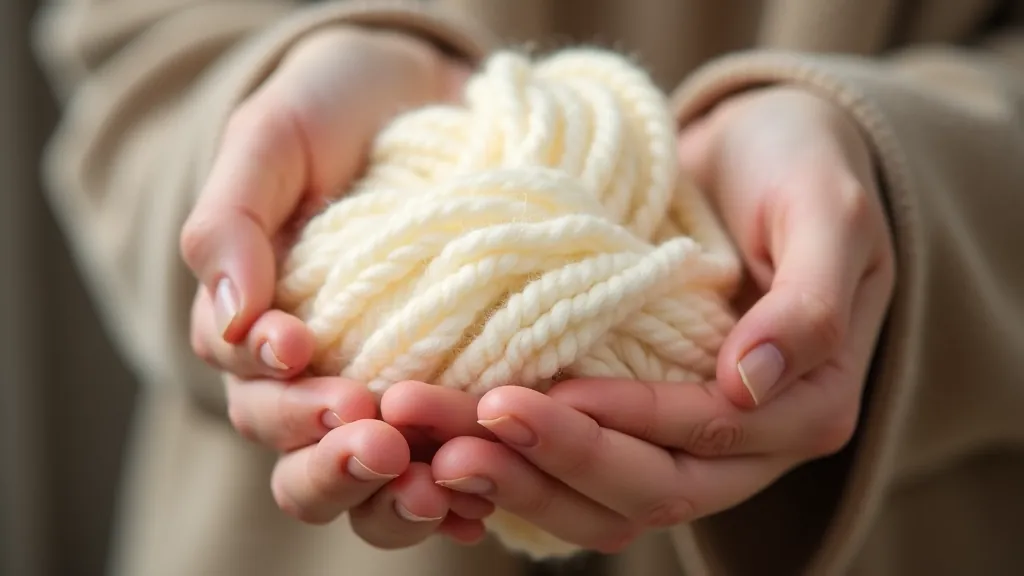
Choosing Natural Wool for Your Projects
What makes quality wool different. Learn to recognize natural fibers, understand weight grades, and find materials that work for your skill level.
Picking the right wool makes all the difference. You could have perfect technique and still end up frustrated if your yarn doesn't cooperate. The fiber itself determines how your project feels, looks, and holds up over time.
We're going to walk through what actually matters when you're selecting wool. Not marketing terms or fancy packaging — just the practical stuff that affects your hands and your finished project.
What You'll Learn
- How to identify truly natural fibers
- What weight means and why it matters
- Fiber blends and their trade-offs
- Matching wool to your project type
- Budget-smart shopping strategies
Understanding Fiber Content
When a label says "100% wool," that's actually pretty straightforward. But here's where people get confused: not all wool is the same. Merino wool, which comes from Merino sheep, is finer and softer than standard wool. You'll notice the difference immediately when you hold it.
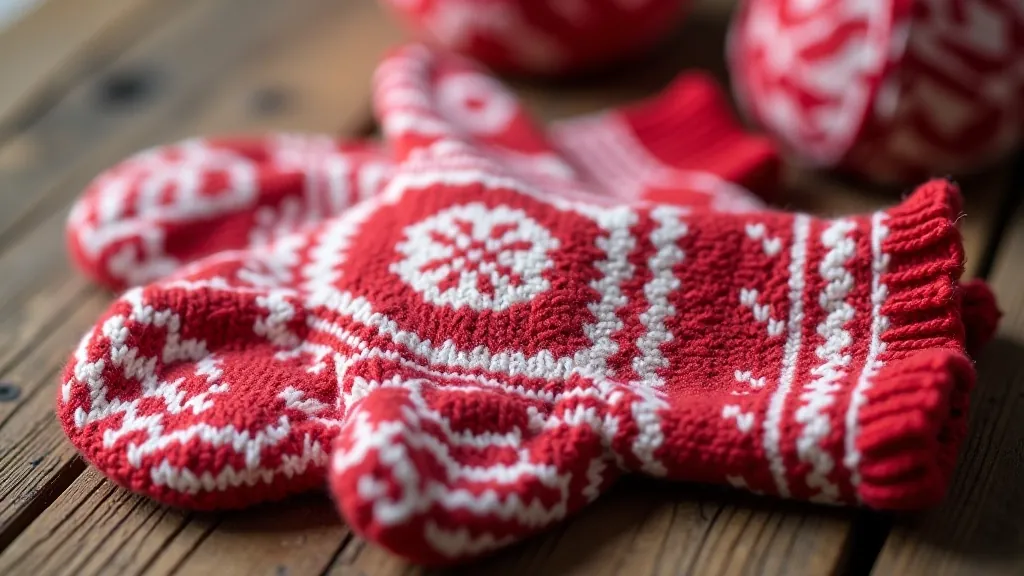
Pure wool is best for mittens, sweaters, and anything that needs warmth and structure. It holds its shape well — really important for traditional Latvian patterns where the design depends on stitch definition. Wool also has natural elasticity, so your stitches bounce back even if you pull them tight.
Blends are worth considering, though. A 70% wool, 30% synthetic blend often means easier care. You can actually throw it in the washing machine without the anxiety of felting everything. The trade-off? Slightly less breathability and sometimes a bit less authentic feel in your hands.
Weight Grades Explained Simply
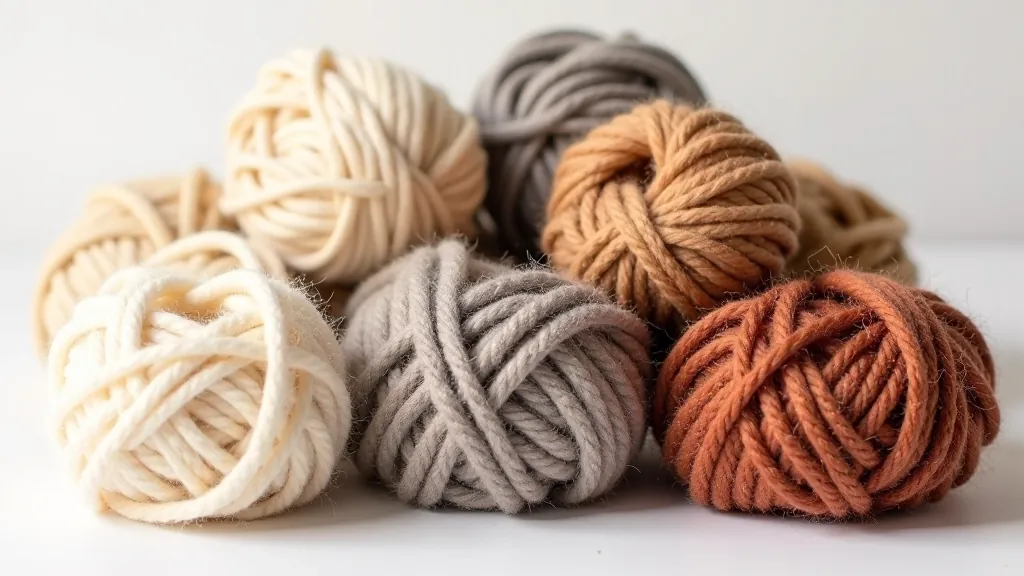
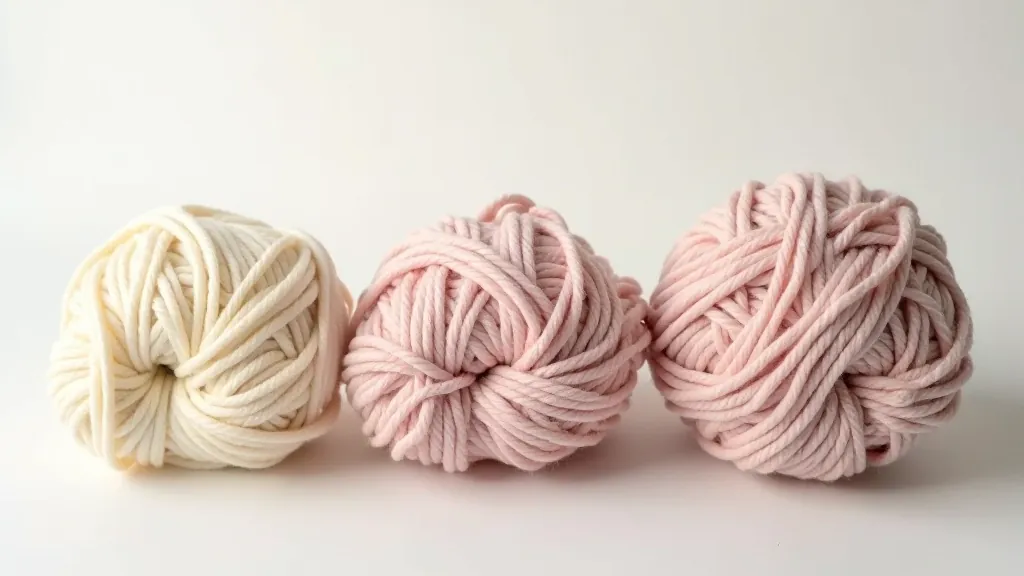
Yarn weight isn't about how much it weighs in ounces. It's about thickness. And thickness affects absolutely everything: how fast you knit, how warm your finished project is, even the needle size you'll use.
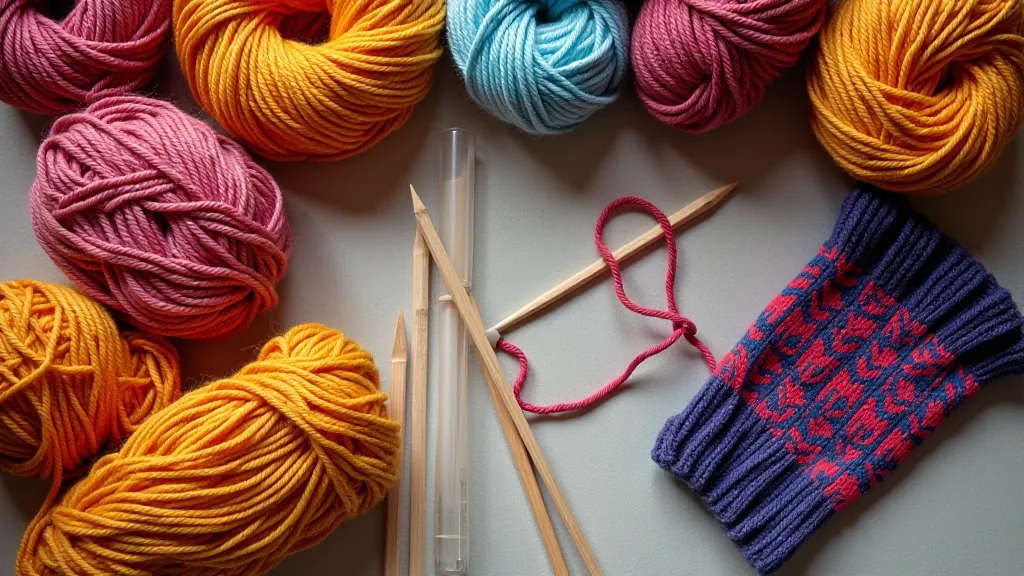
Fingering weight (around 400-500 yards per 100 grams) is thin. You'll knit slower, but the detail in your work shows up beautifully. Perfect for mittens with intricate patterns. Worsted weight (180-220 yards per 100 grams) is medium-thick and knits up fast. Good for sweaters and blankets when you want something done in reasonable time.
Bulky weight gets projects done quickly, but details blur together. That said, if you're just starting out, a thicker yarn lets you see what you're doing more easily. Your stitches are bigger and easier to fix if something goes wrong.
The best approach? Start with worsted weight. It's forgiving without being so thick that you lose detail. Most traditional Latvian patterns work beautifully in this range.
Practical Considerations for Your First Projects
Here's what actually matters when you're standing in front of a wall of yarn choices: feel, project fit, and honestly, budget.
The Hand Feel Test
Always hold the yarn before buying. Scratchiness is real, and it's not something a washing fixes. Natural Merino should feel almost soft. Standard wool is coarser but still pleasant. If it bothers your hands in the shop, it'll bother them for hours of knitting.
Match to Project Type
Mittens need structure, so a true wool in worsted weight is ideal. Scarves can go thinner and softer. Baby items should be merino or a gentle blend. If you're making something for yourself that you'll wear often, invest in quality — you'll feel the difference every time.
Yardage Planning
Check pattern requirements carefully. A pair of mittens typically needs 100-150 yards of worsted weight. One ball often isn't enough — you'll want 2 to be safe. Better to have extra than to run short halfway through.
Color Considerations
Solid colors are most forgiving for beginners. You see your stitches clearly. Variegated or hand-dyed yarns can hide mistakes, but they also obscure stitch definition in patterns. Save those for your fifth project, not your first.
Care Affects Your Choice
Here's something nobody tells beginners: the yarn you choose determines how much care your finished project needs. Pure wool requires gentle hand washing in cool water. Some people love that ritual. Others find it annoying.
If you're making something you'll wear constantly — like mittens — consider a blend that's machine washable. It's not cheating. It's practical. Your mittens will last longer if they actually get washed instead of sitting in a corner because you dread hand-washing them.
Check the label for care instructions before you buy. They're telling you what the yarn needs. If you can't commit to that level of care, pick something else. Your finished project will thank you.
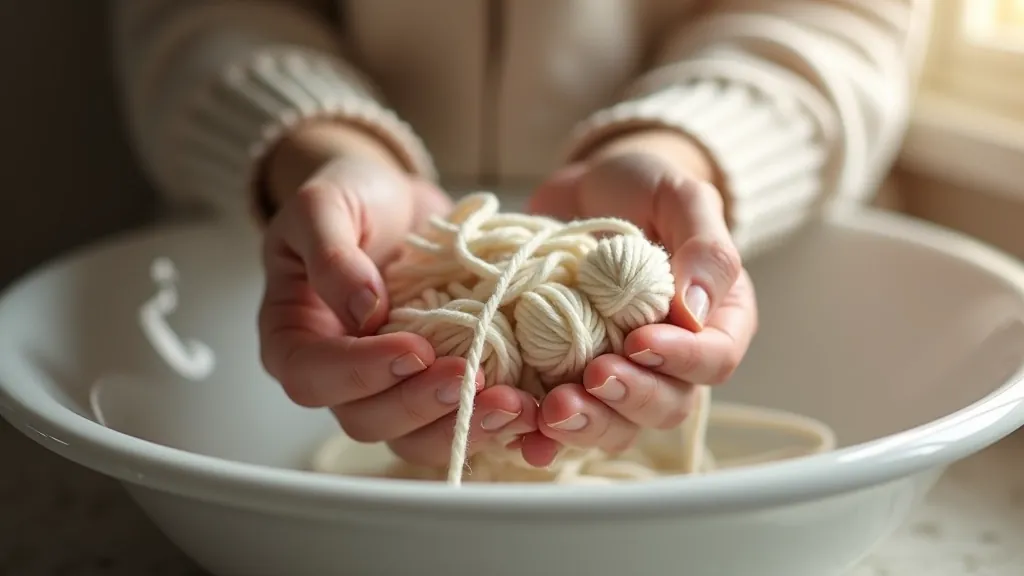
Getting Started With Confidence
Don't overthink this. Your first project should use 100% wool in worsted weight, preferably merino if your budget allows. Solid color. Check that you can afford the care requirements. Feel it in your hands.
That's it. You've now got more knowledge than most people who grab yarn randomly from a shelf. The difference between a project you love working on and one you dread is often just this: picking wool that feels good in your hands and works for your lifestyle.
Once you've completed your first project, you'll understand your own preferences. You'll know if you like thinner yarn or thicker, if you want to hand-wash or machine-wash, if you prefer pure wool or a blend. That experience matters more than any article. But starting with good information? That gets you there faster and with fewer frustrations.
Ready to start your first project? Check out our beginner knitting guide to see what you should make with that wool you're about to pick.
View Beginner ProjectsAbout This Guide
This article is educational information about fiber selection and yarn characteristics. Recommendations are based on common craft practices and fiber properties. Individual results vary based on personal preferences, skill level, and specific project requirements. Always follow care instructions provided on yarn labels. We encourage you to test yarns personally before committing to large purchases, as fiber feel and performance are subjective experiences.