
solvanex Logo solvanex Contact Us
Contact Us
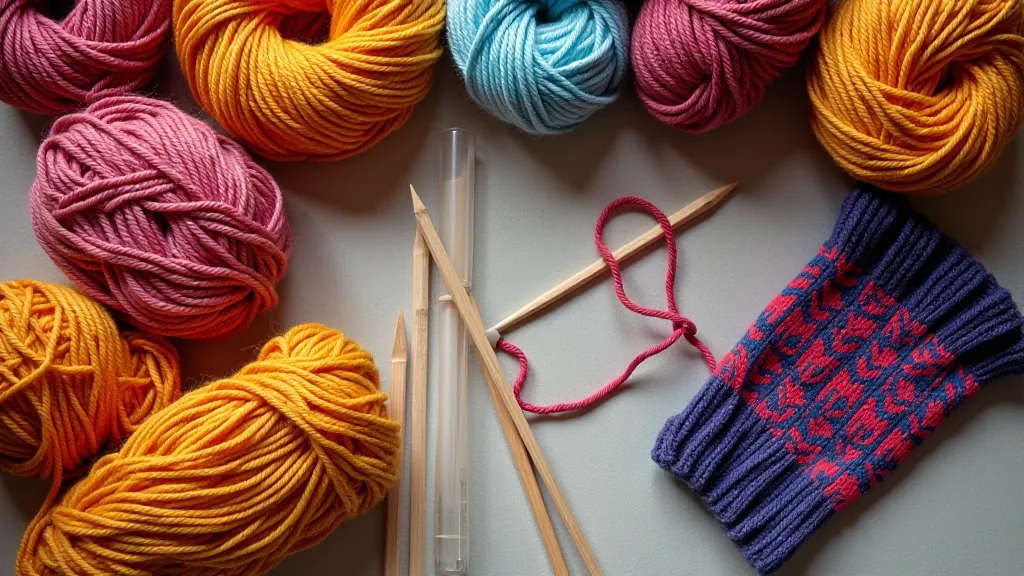
Flat lay of knitting needles, yarn, and a partially completed knitted swatch with visible stitches

First Knitting Projects for Complete Beginners

You don't start with mittens. Here's the actual sequence of projects that build real skills without frustration.

10 min read Beginner April 2026
Antra Berzina

By Antra Berzina

Senior Craft Educator and Textile Heritage Specialist

Why Project Order Actually Matters

Most beginners start with scarves or hats. That's honest. But we've seen what works better — starting with something small that teaches you the actual fundamentals without overwhelming you. A dishcloth might sound boring. It's not.

Here's the thing: you'll learn tension control, consistent stitch formation, and how to fix basic mistakes. All in about three hours of knitting. Then you move forward with real confidence instead of frustration.

We're talking about a progression that makes sense physically and psychologically. Each project teaches specific skills you'll use in everything that comes after.
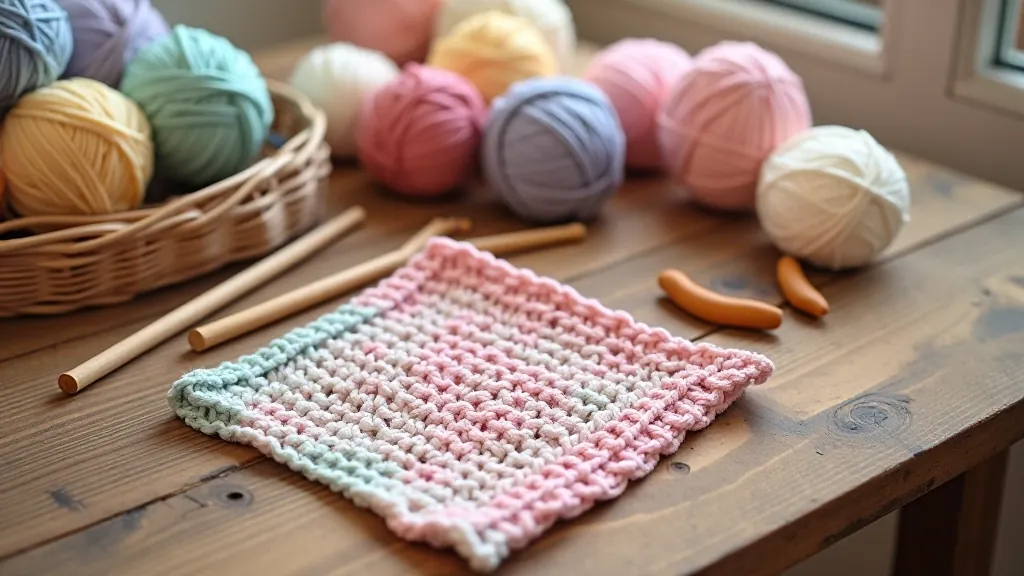
Flat lay of beginner knitting supplies including bamboo needles, colorful cotton yarn in natural shades, and a completed dishcloth with simple garter stitch pattern
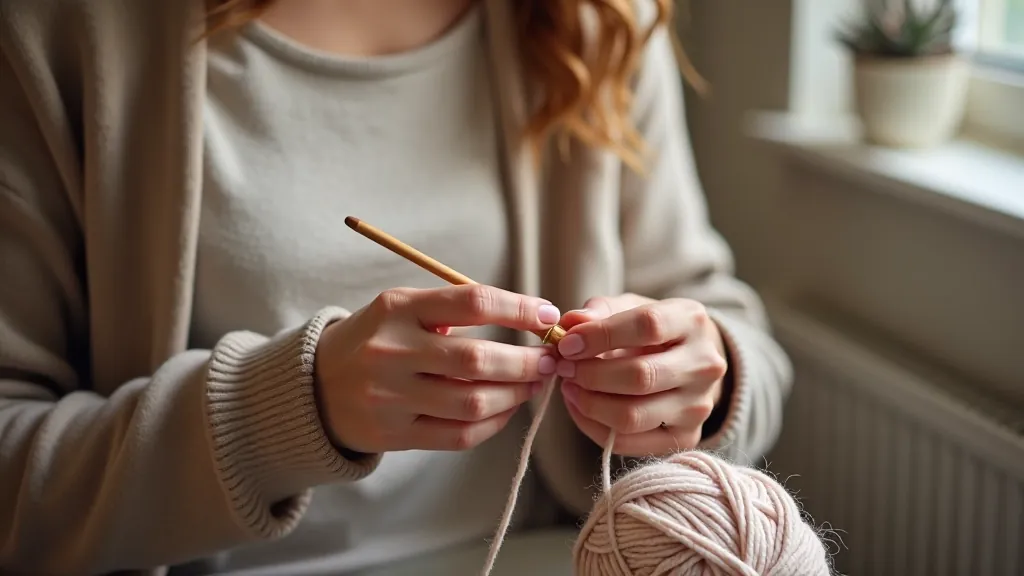
Hands of a beginner knitter working on a cotton dishcloth using size 6 needles, showing proper hand position and yarn tension

Project One: The Dishcloth (Weeks 1-2)

Start here. Not because it's cute (though you can make it cute), but because it's forgiving and teaches you everything you need to know about basic knitting.

You'll cast on about 30 stitches, work in garter stitch (knit every row), and finish in roughly 4-6 hours of actual knitting time. The beauty? If you make a mistake, you can see it immediately and fix it without ripping back the whole thing. That's huge for confidence.

Use cotton yarn — worsted weight, size 6 needles. The friction is better for learning. You'll feel your stitches more clearly, and tension mistakes become obvious rather than hidden in fuzzy wool.

Supplies needed: 30-40 yards cotton yarn, US 6 needles (9mm), scissors, yarn needle

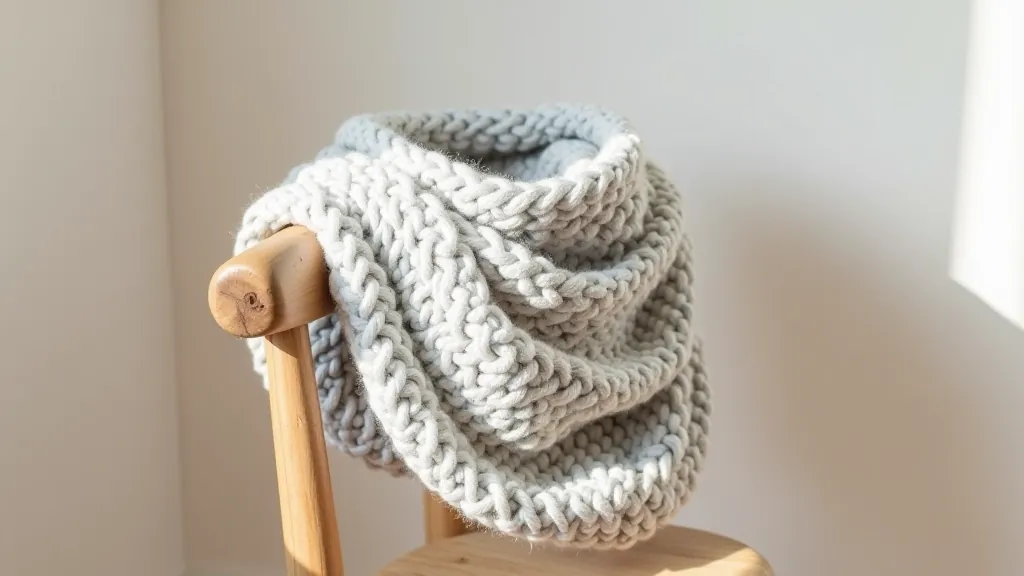
Project Two: The Simple Cowl (Weeks 3-4)

Once the dishcloth feels natural, you're ready for something you'll actually wear. A cowl is perfect because it's circular knitting on straight needles — no special techniques yet, but it introduces you to working in the round conceptually.

You'll cast on about 80 stitches and knit in stockinette (knit front, purl back) for about 40 rows. Takes 6-8 hours total. Then you'll bind off and seam the sides together. The first time you wear something you made yourself? That changes everything.

This project introduces purl stitches in a controlled way. You're not switching between knit and purl constantly — you're doing one full row of each. That's manageable.

Cozy cowl scarf in light gray wool draped over a wooden chair back, showing the stockinette stitch pattern clearly, soft natural light
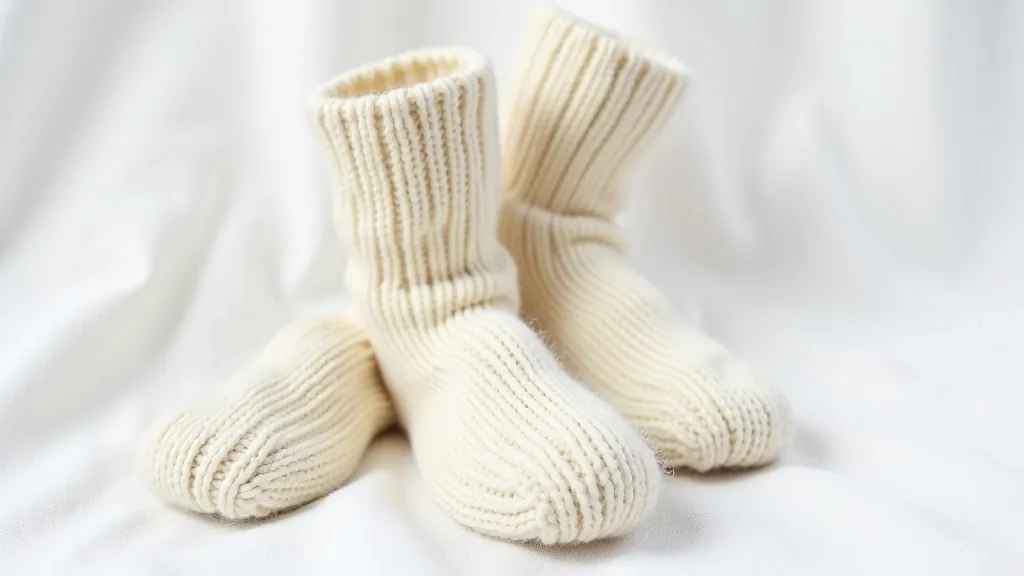
Pair of simple knitted socks in cream-colored wool, photographed on white linen, showing ribbed cuff and stockinette body

Project Three: Socks (Weeks 5-8)

Socks seem intimidating. Don't let that stop you. They're actually the best teacher for intermediate skills — short-rows, working in the round properly, decreases, and picking up stitches. All essential stuff.

Use sock yarn (fingering weight) and size 1 needles. You'll need about 400 yards. It'll take 12-16 hours spread across four weeks if you're learning as you go. The first sock takes longest. The second moves faster because you've done it before.

Don't try magic loop or four needles yet. Stick with five needles and DPNs (double-pointed needles). Easier to manage. You'll learn the harder techniques once this feels solid.

Sock Construction Steps

  1. Cuff and leg (about 60 rows of ribbing)
  2. Heel flap (worked back and forth)
  3. Heel turn (shaping with decreases)
  4. Gusset (picking up stitches)
  5. Foot (straight stockinette)
  6. Toe (decreases until closed)

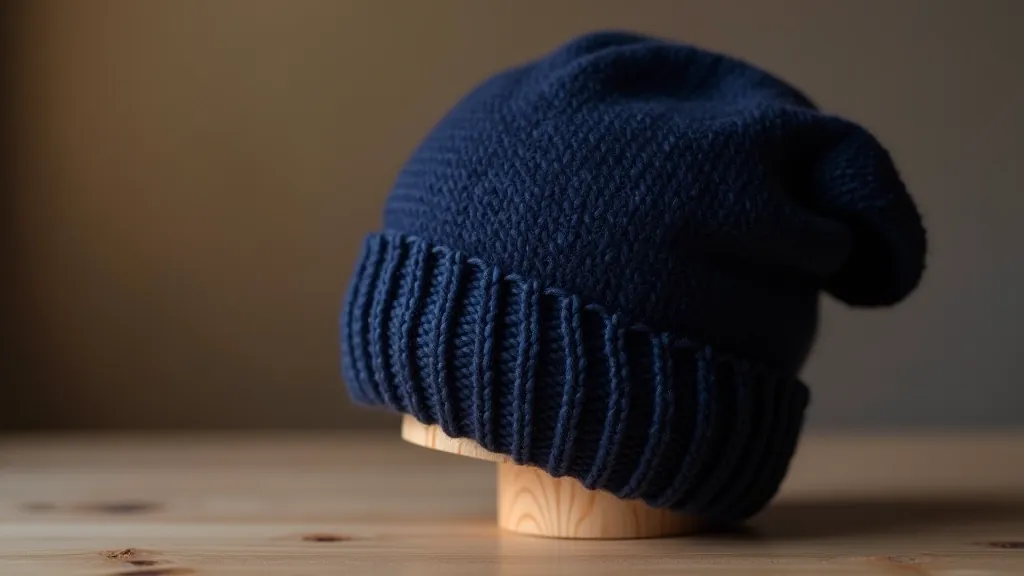
Project Four: Simple Hat (Weeks 9-10)

You've learned garter stitch, stockinette, ribbing, and decreases. Now put it all together in a hat. This teaches you proportion and finishing — how to seam, block, and weave in ends properly.

Cast on 100 stitches, work ribbed cuff for 10 rows, then stockinette body for 30 rows. Then crown decreases (k2tog every other stitch) until you're down to 6 stitches. Cut yarn, thread through remaining stitches, pull tight. Seam the back.

You'll use worsted weight yarn (about 300 yards) and size 7 needles. Takes 8-10 hours. But you're wearing something that fits your head, that you made, with stitches you understand completely.

Knitted beanie hat in navy blue wool displayed on wooden hat block, showing ribbed cuff and stockinette body with visible crown decreases

What Not to Do

Don't jump to cables. Don't try colorwork yet. Don't attempt anything with a pattern you don't understand completely. Don't use yarn thinner than worsted weight (except for socks) — it's harder to see your stitches.

And here's the biggest one: don't abandon a project halfway through. Finishing is part of learning. You'll make mistakes binding off. You'll have loose edges. You'll weave in ends badly the first few times. That's the real education.

Also, don't compare your work to others yet. Your stitches will be uneven. Your tension will vary. That's completely normal. By project four, you'll see the difference in your own work — and that's when the real progress clicks.

The Real Timeline

From complete beginner to finishing that hat? About 10 weeks if you're knitting 3-4 hours per week. That's honest. You're not learning this in a weekend workshop, and anyone who says you can is overselling.

But here's what you get: genuine understanding of how stitches work. Real problem-solving when things go wrong. And four finished objects you actually use and wear. That's worth ten weeks.

Start with the dishcloth. Don't skip it because it seems basic. It's the foundation. Everything else builds from there.

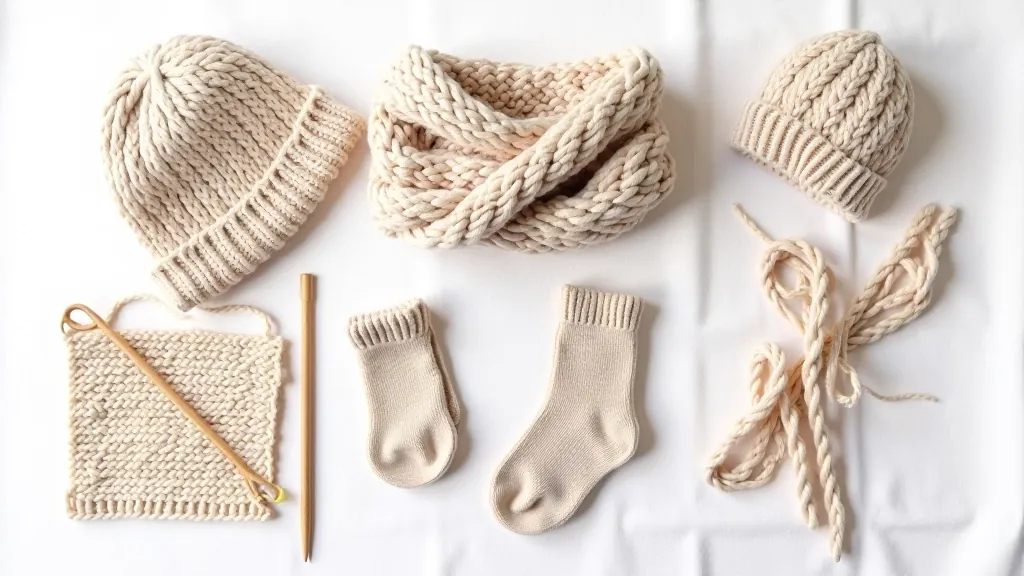
Flat lay of all four beginner projects arranged together: dishcloth, cowl, socks, and hat, photographed on natural linen background with knitting needles

Moving Forward

Once you've finished these four projects, you're ready for more complex work. Cables. Colorwork. Lace. Working with multiple colors. Designing your own patterns. But you'll approach those with actual skill instead of hope.

The sequence matters because it builds foundation skills in order. You're not jumping to mittens before you understand tension. You're not doing colorwork before you master basic shaping. That's how you avoid frustration and actually develop as a knitter.

Disclaimer

The project progression and timeframes outlined in this article are based on typical learning patterns and our experience working with beginner knitters. Individual results will vary based on practice frequency, prior experience with handcrafts, and personal learning style. Yarn weights, needle sizes, and project variations may change required materials and completion time. Always consult specific pattern instructions for accurate material requirements and detailed guidance. This article is educational and informational in nature — it's not a substitute for professional instruction or personalized guidance from experienced knitting instructors.