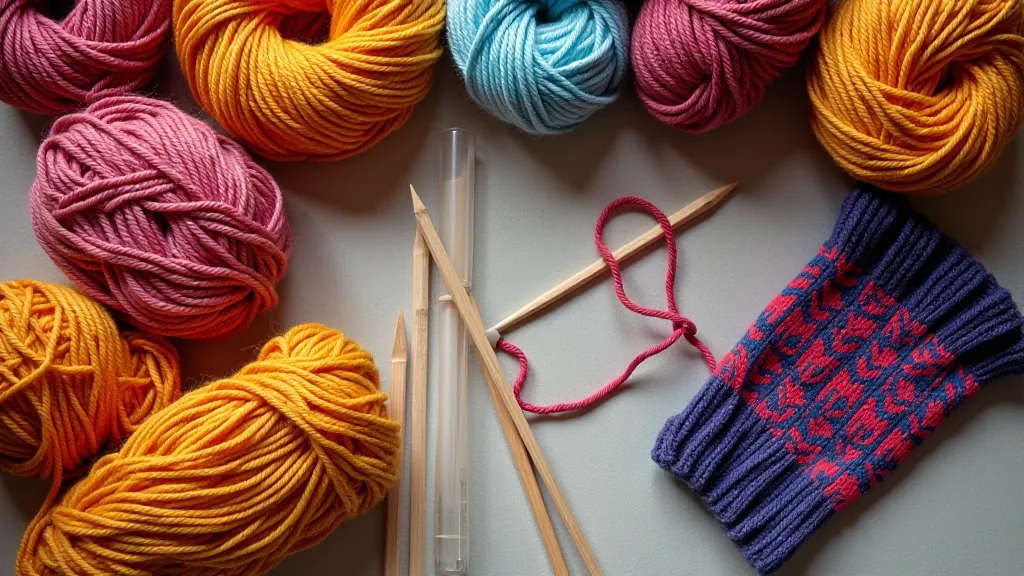
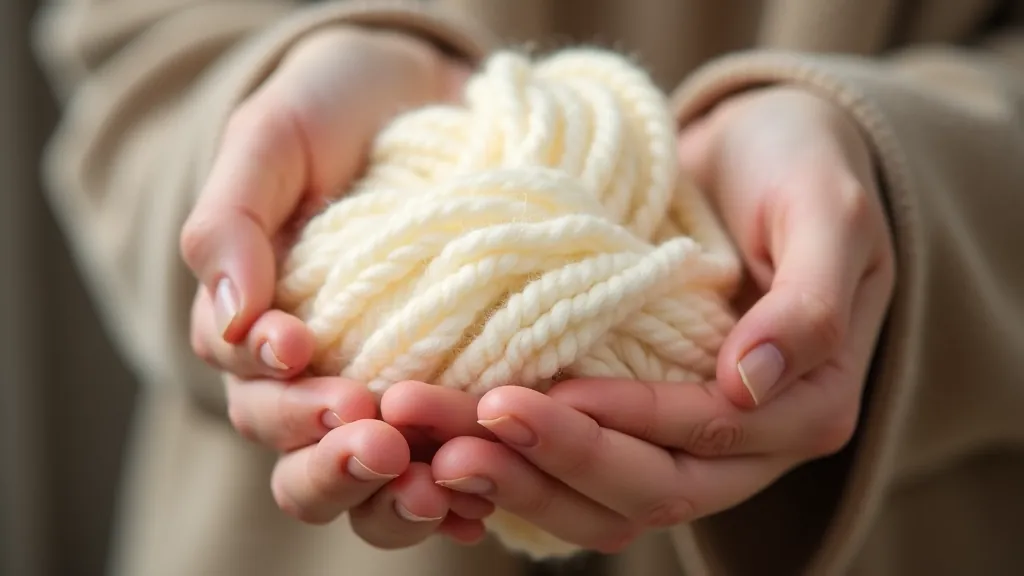
Choosing Natural Wool for Your Projects
What makes quality wool different. Learn to recognize natural fibers, understand weight categories, and select yarn that lasts.
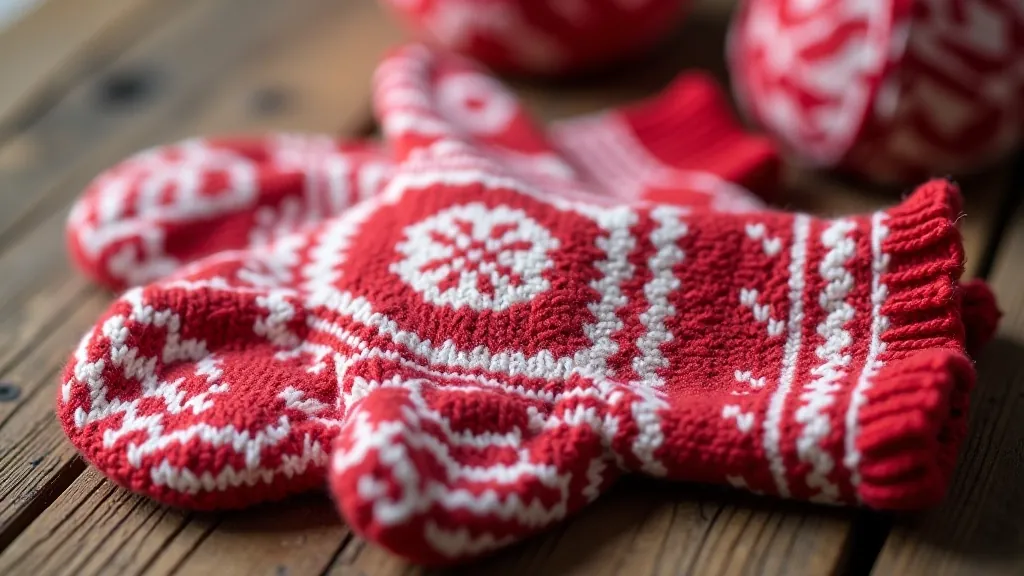
Understand the history and structure of authentic Latvian mittens. We break down the geometric patterns and show you where to start.

Latvian mittens aren't just winter wear. They're a centuries-old art form that tells stories through color and geometry. What makes them special? It's the patterns. Each design carries meaning — symbols of protection, fertility, and the natural world surrounding the knitter.
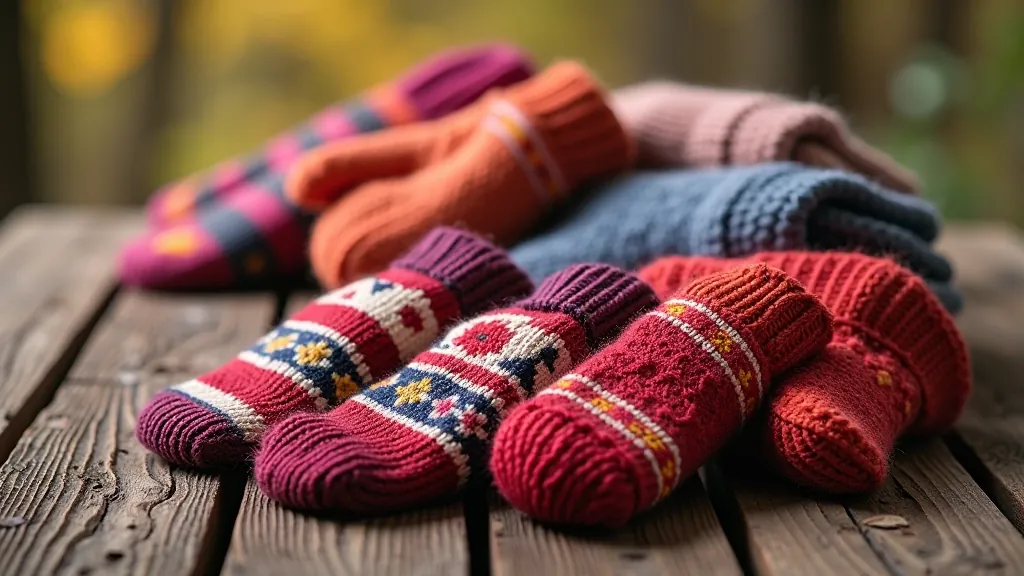
You'll notice something immediately: these mittens look nothing like the basic mittens you see in stores. The patterns are intricate, deliberate, and rooted in a tradition that goes back generations. Traditional mittens feature two-color designs — typically dark wool with bright accent colors like red, yellow, or natural white.
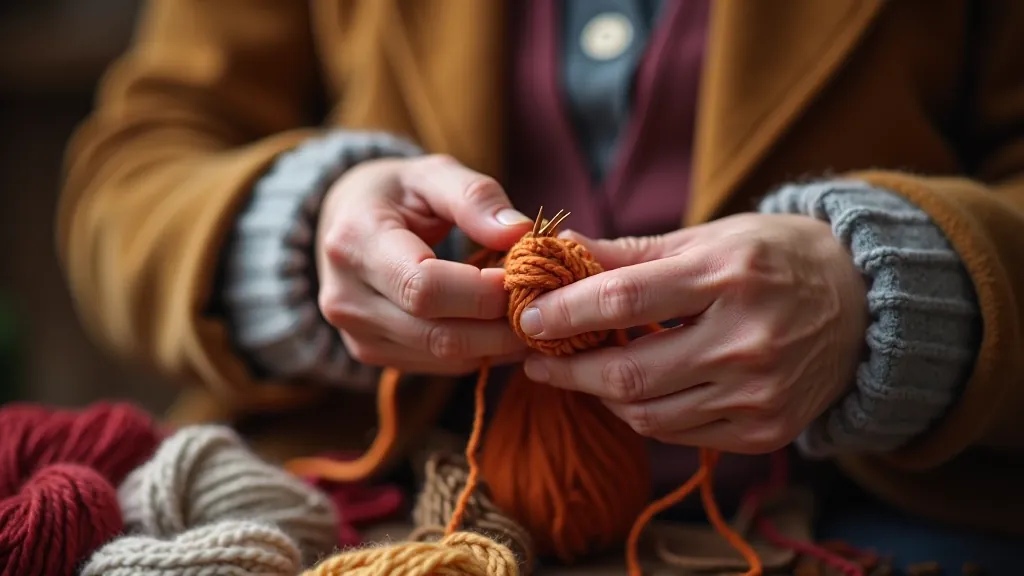
What's remarkable is that Latvian knitters didn't use patterns written down. Knowledge passed from mother to daughter, hands showing hands. The patterns lived in memory, refined and personalized over decades. That's why no two pairs are exactly identical.
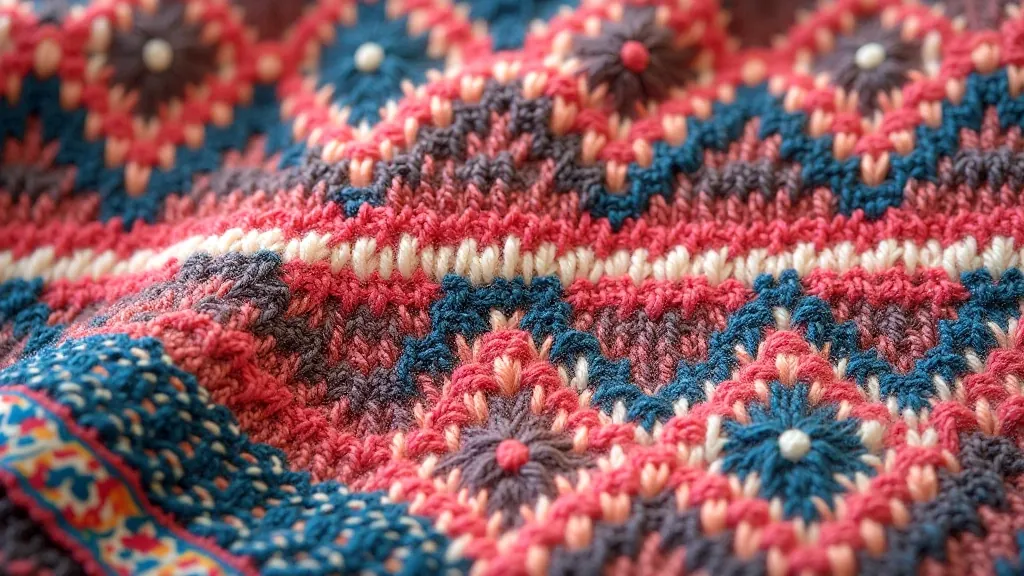
The magic of Latvian mittens lies in their structure. Most patterns are built on a grid system using just two colors per mitten. The base is usually a dark color — navy, brown, or charcoal — with bright accents creating geometric shapes.
Common pattern motifs include:
Here's the thing: while these names are modern labels, the patterns themselves date back centuries. Knitters knew them by sight and feel, not by names written in books.
Creating traditional Latvian mittens follows a specific process. It's not random — there's logic to the construction that's evolved over generations to be both beautiful and functional.
First comes the cuff. This is where many knitters establish the pattern rhythm. The cuff typically shows a border pattern — something that sets expectations for what's coming. You're working in the round on double-pointed needles, usually starting from the wrist and working toward the fingers.
The main pattern area follows next. This is where the geometric designs really shine. Most mittens feature a primary pattern that covers the back of the hand, with variations on the palm. The transition between these sections matters — skilled knitters create smooth visual flow.
The thumb comes next. Traditional mittens often have a simple geometric border around the thumb opening, then the thumb is knitted separately and attached. Finally, you close off the top with a gradual decrease.
Pro tip: Traditional mittens are worked from wrist to fingertip in the round. That means you're constantly rotating the needles and the pattern naturally evolves as you go.
You're ready to start. Don't try a complex multi-color pattern right away. Seriously. Even if you've knitted socks or sweaters before, Latvian mittens require a specific skill — managing two colors while working in the round.
Begin with what's called "stranded colorwork" or "fair isle" knitting. This is the technique behind most Latvian patterns. You're holding two yarn colors at once and picking them up as the pattern requires. It sounds complicated but becomes natural after about 50-100 stitches.
The best starting pattern? Something with a simple border around the cuff and a single geometric repeat on the hand. Think basic diamonds or simple zigzags. These teach you the tension and rhythm without overwhelming complexity.
Most importantly, don't rush. A pair of mittens takes 15-25 hours depending on pattern complexity and your speed. That's a solid weekend project or a couple of weeks working evenings. The payoff? Mittens you'll actually wear for years.
Traditional Latvian mittens represent something real — connection to craft, to history, to hands making something that lasts. The patterns aren't just decoration. They're a language of symbols and techniques refined over centuries. When you wear them, you're wearing that heritage.
The best time to start learning these patterns is now. You don't need rare materials or special tools. Just decent yarn, wooden needles, and willingness to spend time on something meaningful. Your first pair won't be perfect. Neither were the mittens made 200 years ago by knitters learning from their mothers. But they'll be yours.
Educational Note: This article provides informational guidance about traditional Latvian mitten patterns and knitting techniques. Patterns and methods vary by region and individual knitter preference. We recommend consulting pattern books, taking classes from experienced knitters, or watching instructional videos for hands-on learning. Results depend on your skill level, materials, and practice.